The Rise of Experiential Learning in Education: Engaging Students Through Real-World Experiences
Introduction
As we navigate through 2026, the landscape of education continues to transform. Among the emerging trends, experiential learning is taking center stage, reshaping how students engage with knowledge and acquire skills. This article explores the concept of experiential learning, its benefits, and how educators can implement it effectively in various educational settings.
What is Experiential Learning?
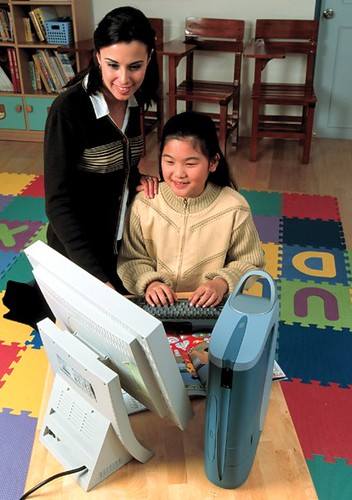
Experiential learning is a hands-on learning process where students gain knowledge and skills through direct experience. It goes beyond traditional classroom instruction, inviting learners to actively participate in their education. This approach allows students to apply theoretical concepts in real-world contexts, making learning more relevant and impactful.
Theoretical Foundations
The foundation of experiential learning is largely attributed to educational theorists like David Kolb, who defined the experiential learning cycle consisting of four stages:
- Concrete Experience: Engaging in a specific experience.
- Reflective Observation: Reflecting on the experience and considering what occurred.
- Abstract Conceptualization: Formulating theories and insights based on reflections.
- Active Experimentation: Applying new ideas to see the outcomes in further experiences.
Benefits of Experiential Learning
Experiential learning offers several advantages that enhance the educational experience for students:
- Enhanced Engagement: By participating in hands-on activities, students are more likely to stay engaged and motivated to learn.
- Development of Critical Skills: Students develop essential skills such as problem-solving, critical thinking, and collaboration through interactive experiences.
- Real-World Application: Learners can immediately relate lessons to real-life situations, improving retention and understanding.
- Increased Retention: Engaging students in direct experiences aids memory retention and comprehension of concepts.
Implementing Experiential Learning in the Classroom
Educators seeking to incorporate experiential learning into their teaching practices can consider various methods:
1. Project-Based Learning (PBL)
PBL involves students working on a project over an extended period, allowing them to explore a complex question or problem. This method fosters collaboration and creativity while enabling students to apply academic knowledge to real-world issues.
2. Internships and Co-op Programs
Internships and cooperative education programs provide students with opportunities to gain work experience in their field of interest. These programs bridge the gap between academic learning and practical application, allowing students to gain insights into their future careers.
3. Field Trips and Community Engagement
Field trips offer students a chance to experience learning outside the classroom. Visiting museums, historical sites, or local businesses can enrich the learning experience and provide context for classroom discussions.
4. Simulations and Role-Playing
Simulations and role-playing scenarios enable students to step into different roles and explore situations in a controlled environment. This method allows for experiential learning without real-world consequences, facilitating risk-taking and exploration.
Challenges in Experiential Learning
While experiential learning presents many benefits, educators may face challenges when implementing this approach:
- Resource Intensity: Experiential learning often requires more resources and planning compared to traditional teaching methods.
- Assessment Difficulties: Evaluating experiential learning outcomes can be complex, requiring alternative assessment strategies.
- Time Constraints: Curriculums focused on standardized testing may limit the time available for experiential learning activities.
Future Trends in Experiential Learning
Looking ahead, several trends are poised to influence the future of experiential learning:
- Technology Integration: The use of virtual and augmented reality will allow for immersive learning experiences that may not be feasible in the physical world.
- Global Collaboration: Schools will increasingly connect with international partners, providing students with cross-cultural experiential learning opportunities.
- Focus on Social Responsibility: More educational institutions are embracing service-learning as a way to foster civic engagement and social responsibility among students.
Conclusion
As we embrace the educational advancements of 2026, experiential learning stands out as a significant trend that enhances student engagement and learning outcomes. By implementing various experiential learning strategies, educators can inspire students to take an active role in their education, preparing them for the challenges of the future. Embracing this approach not only transforms the classroom but also equips students with the skills they need to thrive in an increasingly complex world.