Redefining Success in Education: A 2026 Vision for Achievement
The Changing Definition of Success in Education
As we progress through 2026, the landscape of education is continuously evolving. Traditional metrics of success, such as grades or standardized test scores, are increasingly seen as inadequate to measure student achievement. In this post, we will explore how success in education is being redefined to encompass broader skills and attributes that prepare students for a dynamic future.
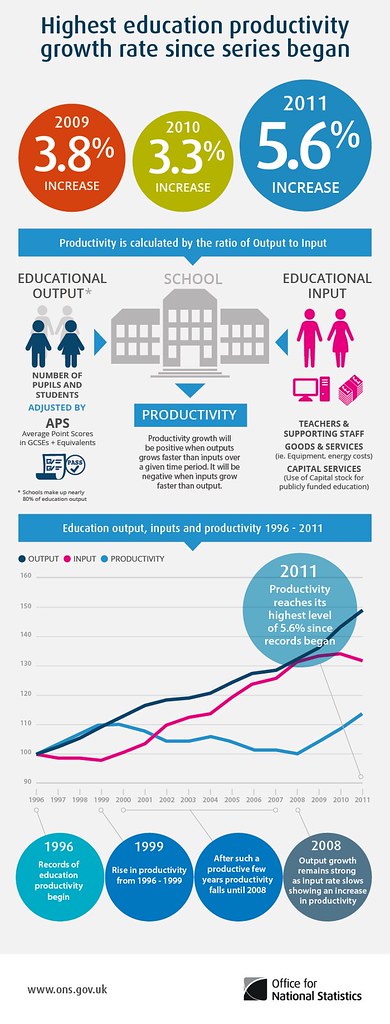
Why Redefine Success?
The world as we know it is transforming rapidly. With advancements in technology, shifting job markets, and changing societal values, the competencies required for success in life and work are changing as well. As educators, parents, and policymakers, we must adapt our understanding of what it means to succeed in education.
Key Components of Redefined Success
To effectively redefine success in education, several key components must be considered:
- Skill Acquisition: Beyond knowledge retention, students must learn practical skills applicable in real-world scenarios, such as problem-solving, collaboration, and critical thinking.
- Emotional and Social Skills: Success now prioritizes the development of emotional intelligence, interpersonal skills, and resilience, equipping students to navigate complexities in personal and professional spheres.
- Civic Engagement: Active participation in community and societal issues is a significant marker of success. Schools are focusing on instilling values of citizenship and social responsibility.
- Career Readiness: Preparing students not just for college but for diverse career paths, including vocational training and entrepreneurship, reflects a more comprehensive approach to success.
Innovative Assessment Strategies
The shift in defining success has prompted a transformation in assessment methods. Instead of relying solely on exams, educators are adopting a variety of evaluation techniques: Also read: wak89 for more insights.
- Portfolio Assessments: Students compile a body of work that showcases their learning journey, skills, and projects. This holistic view presents a richer picture of achievement.
- Peer and Self-Assessments: Encouraging students to evaluate their and their peers’ work fosters reflection and reinforces the importance of collaborative feedback.
- Real-World Projects: Projects that involve community engagement or practical applications of knowledge provide authentic assessment opportunities.
The Role of Technology in Redefining Success
Technology plays a pivotal role in shaping new definitions of success in education. With tools such as learning management systems, collaborative platforms, and data analytics, educators can track student progress in more nuanced ways:
- Data-Driven Insights: By analyzing student performance data, educators can identify strengths and weaknesses, allowing for tailored support and interventions.
- Online Collaboration: Digital tools enable students to work together across distances, fostering teamwork and communication skills essential in the modern workforce.
- Access to Resources: Online resources and learning platforms offer students unparalleled access to knowledge, helping to bridge gaps in traditional educational settings.
Global Perspectives on Educational Success
As education becomes more interconnected, it’s essential to consider global definitions of success. Different cultures and countries prioritize various aspects of education that reflect their unique values and needs:
- Finland: Known for its student-centered approach, Finland emphasizes creativity and critical thinking over standardized testing.
- Singapore: With a strong focus on academic excellence, Singapore combines rigorous curriculum standards with skills development.
- Montessori and Waldorf Schools: These alternative education systems prioritize child-led learning and holistic development, reflecting a broader definition of success.
Challenges Ahead
While the shift in defining and measuring success is promising, challenges remain:
- Resistance to Change: Educators and institutions accustomed to traditional models may be hesitant to adopt new frameworks.
- Equity Issues: Access to resources, technology, and alternative assessments can vary greatly, potentially widening gaps in achievement.
- Standardization vs. Individualization: Striking the right balance between standardized measures and personalized learning remains a delicate challenge.
Conclusion
Redefining success in education is a transformative journey that requires collaboration among educators, students, families, and communities. By embracing a broad view of achievement that includes skill acquisition, emotional intelligence, civic responsibility, and career readiness, we can better prepare our students for the complexities of the future. It is imperative that we continue to evolve our practices and policies to support a more holistic approach, ensuring all students have the opportunity to thrive in a changing world.