Adapting Education to a Rapidly Changing World: Strategies for 2026
Introduction
As we move through 2026, the landscape of education is continuously transforming, influenced by technological advancements, global challenges, and evolving societal expectations. The need for educational systems to adapt and innovate has never been more critical. This article explores the essential strategies that educators and institutions can implement to ensure that they meet the needs of today’s students and prepare them for the future.
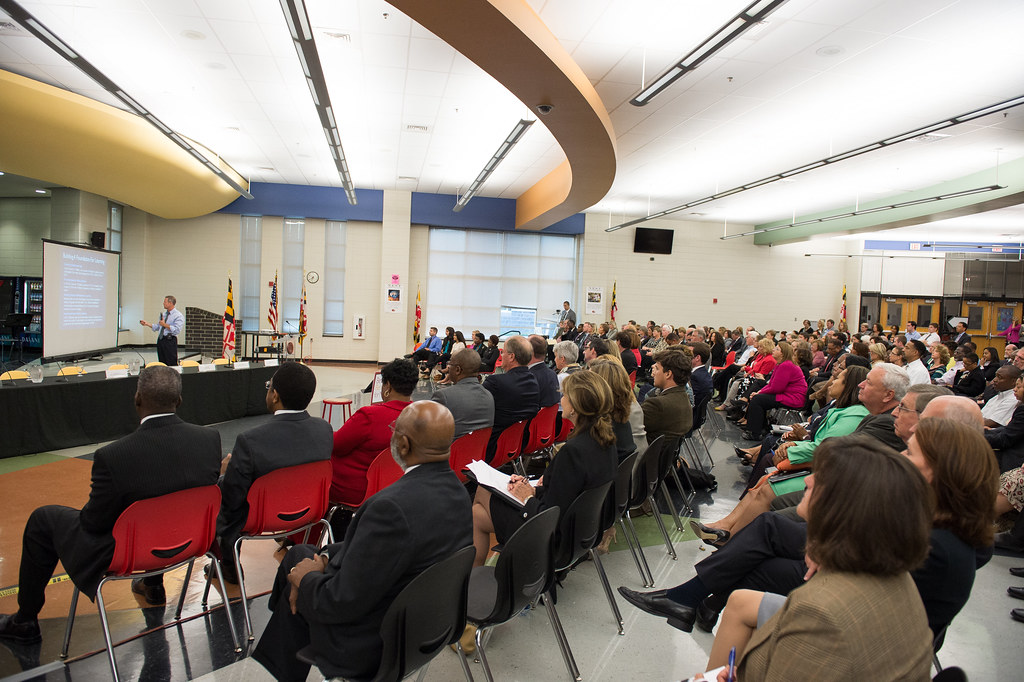
Understanding the Changing Landscape
The world in 2026 is marked by unprecedented changes. Issues such as climate change, social justice, and technological disruptions are reshaping the educational framework. Students today will need to develop skills and mindsets that allow them to navigate this complex environment effectively.
1. Emphasizing Critical Thinking and Problem Solving
In a world saturated with information, the ability to think critically and solve problems is essential. Educational institutions must focus on teaching students how to:
- Analyze Information: Distinguish between reliable and unreliable sources.
- Formulate Solutions: Approach problems with creative and strategic thinking.
- Collaborate: Work effectively in diverse teams to address complex issues.
2. Promoting Digital Literacy
As technology integrates further into daily life, digital literacy becomes crucial. This involves not only understanding how to use technology but also knowing how to leverage it responsibly. Educational programs should include:
- Online Safety: Teaching students about cybersecurity and responsible digital citizenship.
- Data Management: Understanding data privacy and the ethical implications of technology.
- Tech-Enhanced Learning: Utilizing educational tools and resources effectively to enhance learning outcomes.
3. Fostering Emotional and Social Intelligence
Emotional and social intelligence are vital skills for personal and professional success. Educational strategies that nurture these traits can help students:
- Develop Empathy: Understand and share the feelings of others.
- Build Relationships: Create meaningful connections with peers and educators.
- Manage Emotions: Develop self-regulation strategies to cope with stress and challenges.
4. Encouraging Lifelong Learning
The pace of change in the modern world makes lifelong learning essential. Educational institutions must instill a love for learning that extends beyond formal education. This can be achieved through:
- Flexible Learning Pathways: Allowing students to pursue interests and passions outside the standard curriculum.
- Mentorship Programs: Connecting students with professionals to foster networking and continuous skill development.
- Self-Directed Learning: Providing resources and tools for students to take initiative in their own education.
Integrating Technology in Education
The role of technology in education continues to evolve, offering new opportunities for engagement and personalization. In 2026, educators should focus on integrating technology in meaningful ways:
1. Utilizing AI and Adaptive Learning
Artificial Intelligence (AI) can tailor educational experiences to individual student needs. By employing adaptive learning technologies, educators can:
- Personalize Learning Experiences: Adjust content and pacing based on student performance.
- Provide Instant Feedback: Allow students to learn from their mistakes in real time.
2. Leveraging Virtual and Augmented Reality
Virtual Reality (VR) and Augmented Reality (AR) offer immersive learning experiences that can enhance understanding of complex concepts. Implementing these technologies can:
- Enhance Engagement: Capture student interest through interactive content.
- Facilitate Experiential Learning: Allow students to explore environments or scenarios that would be impossible in a traditional classroom.
The Role of Community and Parental Involvement
Strong community and parental involvement is vital for enhancing educational outcomes. Strategies to engage families and communities include:
1. Building Collaborative Partnerships
Schools should foster partnerships with local organizations, businesses, and higher education institutions. Benefits include:
- Resource Sharing: Access to facilities, expertise, and funding.
- Real-World Learning Experiences: Opportunities for students to engage with industry professionals.
2. Enhancing Communication with Parents
Effective communication channels between schools and parents can significantly impact student success. Schools should:
- Utilize Technology: Use apps and platforms to keep parents informed.
- Encourage Feedback: Create opportunities for parents to share their perspectives and suggestions.
Conclusion
As education continues to evolve in 2026, it is essential for institutions, educators, and communities to work together to adapt to the changing needs of students. By emphasizing critical thinking, digital literacy, emotional intelligence, lifelong learning, and effective technology integration, we can create a robust educational framework that prepares students for the complexities of the modern world. The future of education depends on our collective commitment to fostering an environment where learners can thrive.