The Shift Towards Experiential Learning: Redefining Education in 2026
The Shift Towards Experiential Learning: Redefining Education in 2026
As we navigate through 2026, education is undergoing a significant transformation, particularly in the way students engage with content. Experiential learning, which emphasizes hands-on experience and reflection, is becoming a cornerstone in modern education. This approach not only fosters deeper understanding but also equips students with practical skills needed in today’s world.
What is Experiential Learning?
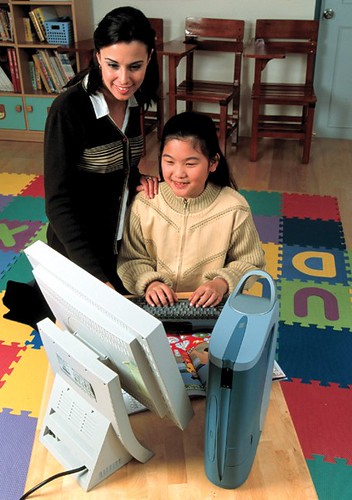
Experiential learning is a pedagogical approach that allows students to learn by doing. Rather than passively receiving information, learners are encouraged to participate actively in their education through projects, hands-on activities, and real-world challenges. This method is grounded in the concept that knowledge is best retained when it is experienced directly.
The Benefits of Experiential Learning
- Enhances Engagement: Students who engage in experiential learning often show higher levels of enthusiasm and interest in the subject matter.
- Develops Critical Thinking: By facing real-world challenges, learners improve their problem-solving and critical thinking skills.
- Fosters Collaboration: Many experiential learning projects are group-based, encouraging teamwork and collaboration among students.
- Prepares for Real-World Challenges: Students gain practical skills that are directly applicable in professional settings, making them more job-ready.
- Promotes Lifelong Learning: Experiential learning instills a love for learning and encourages students to take initiative in their own education.
Integrating Experiential Learning in the Curriculum
To effectively incorporate experiential learning into educational frameworks, schools and educators must embrace innovative teaching methods. Here are several strategies for integration:
- Project-Based Learning: Assign projects that require students to research, design, and implement solutions for real-world problems.
- Service Learning: Encourage students to engage in community service projects that provide them with practical experience while benefiting the community.
- Internships and Co-ops: Partner with local businesses and organizations to offer students internships that give them hands-on experience in their desired fields.
- Field Trips and Outdoor Education: Utilize field trips to provide students with direct experiences related to their studies.
Case Studies: Successful Implementation of Experiential Learning
Several educational institutions have successfully adopted experiential learning, showcasing the effectiveness of this approach: Also read: wak89 for more insights.
- High Tech High: A network of charter schools in San Diego, California, that emphasizes project-based learning. Students engage in real-world projects that promote critical thinking and collaboration.
- New Tech Network: A group of schools across the U.S. that emphasizes project-based learning and technology integration. Students work on projects that connect classroom learning to community challenges.
- Expeditionary Learning Schools: Focused on engaging students in in-depth, hands-on projects that promote growth through experiences, this model emphasizes character development alongside academic rigor.
Challenges of Implementing Experiential Learning
While the benefits of experiential learning are clear, several challenges can arise during implementation:
- Resource Intensive: Hands-on projects often require more resources and planning compared to traditional teaching methods.
- Training Educators: Teachers may need additional training to effectively facilitate experiential learning opportunities.
- Assessment Difficulties: Measuring the success of experiential learning can be challenging as traditional testing methods may not accurately reflect student understanding.
Future Trends in Experiential Learning
As we move forward, several trends are likely to shape the future of experiential learning:
- Technology Integration: The use of virtual reality (VR) and augmented reality (AR) will allow students to engage in simulated real-world experiences.
- Global Collaboration: Students will increasingly collaborate on projects with peers from around the world, fostering a global perspective and cultural awareness.
- Focus on Sustainability: Experiential learning will increasingly address social and environmental issues, preparing students to be responsible global citizens.
Conclusion
In 2026, experiential learning is more than just a trend; it represents a fundamental shift in the educational landscape. By emphasizing hands-on experiences, collaboration, and real-world problem-solving, educators are equipping students with the skills necessary to thrive in an ever-changing world. As schools continue to adapt to this approach, we can expect a generation of learners who are not only knowledgeable but also prepared to tackle the challenges of the future.