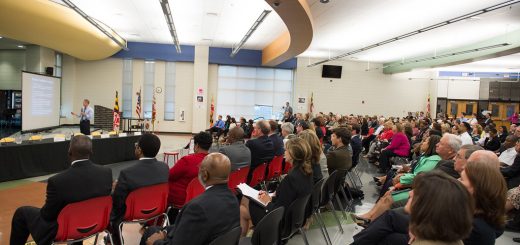
Transformative Approaches to Student Engagement in 2026
Introduction
As we progress further into 2026, the landscape of education continues to evolve, especially concerning student engagement. In a world where technology and methodologies are advancing at a rapid pace, educators are tasked with the challenge of not only imparting knowledge but also keeping students actively involved in their learning journey. This article explores innovative strategies that can ignite passion and participation among students in today’s classrooms.

The Importance of Student Engagement
Student engagement is critical for effective learning. Engaged students are more likely to excel academically, develop critical thinking skills, and exhibit positive social behavior. Furthermore, with the shift toward more personalized learning environments, understanding the factors that contribute to engagement is essential for teachers aiming to foster a supportive learning experience.
Key Benefits of Engaging Students
- Higher Academic Performance: Engaged students often perform better on assessments and demonstrate a deeper understanding of complex concepts.
- Improved Retention Rates: When students are actively involved, they are more likely to remain in school and complete their education.
- Development of Soft Skills: Engagement activities often encourage collaboration, communication, and critical thinking.
Innovative Strategies for Enhancing Engagement
To foster higher levels of student engagement, educators can implement several innovative strategies that cater to diverse learning styles and interests.
1. Gamification of Learning
Incorporating game-based elements into the curriculum can significantly enhance student motivation. By transforming lessons into interactive games, teachers can make learning fun and competitive.
- Leaderboard Systems: Use leaderboards to create a sense of competition and accomplishment.
- Rewards and Badges: Recognize achievements with badges or rewards to acknowledge progress.
2. Blended Learning Environments
Blended learning combines traditional teaching methods with online resources, providing a flexible learning experience. This approach allows students to learn at their own pace while still benefiting from direct teacher interaction.
- Online Discussion Forums: Encourage students to engage in discussions outside of the classroom.
- Self-Paced Modules: Allow students to complete modules at their own speed to cater to different learning paces.
3. Real-World Applications
Connecting lessons to real-world scenarios can heighten student interest and relevance. This strategy involves using case studies, field trips, or guest speakers from various industries to demonstrate practical applications of classroom knowledge.
- Industry Partnerships: Collaborate with local businesses to create internship or mentorship opportunities.
- Project-Based Learning: Engage students in projects that solve actual community issues, fostering a sense of purpose.
4. Personalized Learning Pathways
Every student has unique strengths and challenges. Personalized learning pathways allow students to choose their educational journeys, making learning more relevant and engaging.
- Learning Profiles: Develop individual profiles that outline interests, strengths, and preferred learning styles.
- Flexible Assessments: Utilize various assessment methods, including portfolios and presentations, to accommodate different learners.
5. Social-Emotional Learning (SEL)
Integrating social-emotional learning into the curriculum enhances student engagement. SEL not only promotes positive interactions but also helps students manage their emotions, set goals, and foster empathy.
- Mindfulness Practices: Incorporate mindfulness activities to help students focus and manage stress.
- Group Activities: Engage students in collaborative projects that build teamwork and social skills.
Challenges and Considerations
While implementing these strategies, educators must also be aware of potential challenges. These include:
- Resource Limitations: Schools may lack the necessary technology or funds to implement gamification or blended learning effectively.
- Resistance to Change: Educators and students alike may resist new methods, preferring traditional approaches.
Conclusion
As education continues to evolve in 2026, fostering student engagement is more critical than ever. By adopting innovative strategies such as gamification, blended learning, real-world applications, personalized pathways, and social-emotional learning, educators can create stimulating environments that inspire students to participate actively in their education. Addressing the challenges that come with these strategies will be essential in realizing their full potential, ensuring that students remain engaged and motivated in their academic journeys.