Transforming Assessment: Innovative Approaches to Student Evaluation in 2026
Introduction
As the education landscape continues to evolve in 2026, traditional assessment methods are being reexamined and transformed. The shift towards more innovative approaches reflects a growing understanding that assessment should not only measure knowledge but also support learning and personal growth. In this article, we will explore several modern assessment techniques that are gaining traction in today’s educational environment.
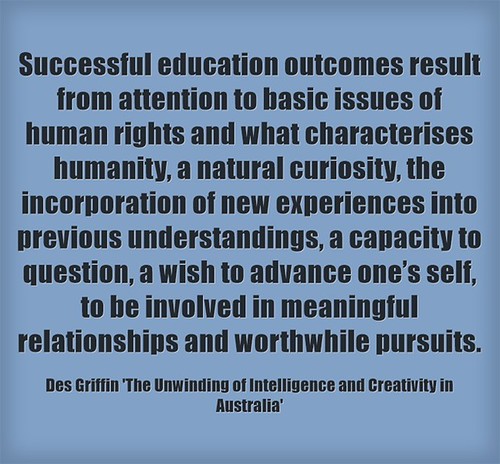
The Need for Change in Assessment
Conventional assessment methods, such as standardized testing, have long been critiqued for their inability to provide a comprehensive understanding of a student’s abilities. Many educators, parents, and students alike have raised concerns about the pressure these exams create and their limited scope in evaluating true learning. As we look to 2026, it’s crucial to adopt assessment strategies that prioritize skills, creativity, and critical thinking.
Key Drivers Behind Innovative Assessment
- Emphasis on Holistic Learning: Modern educational philosophies advocate for a more comprehensive view of learning, where cognitive, emotional, and social aspects are considered.
- Technology Integration: Advancements in technology enable new forms of assessment that are more engaging and tailored to individual needs.
- Focus on Real-World Skills: Employers increasingly seek graduates who possess problem-solving skills and adaptability, prompting educational institutions to align assessments with these needs.
Innovative Assessment Techniques
1. Portfolio-Based Assessment
Portfolios allow students to showcase their work over time, providing a richer, more nuanced picture of their learning journey. This method encourages self-reflection and helps students take ownership of their progress.
2. Peer Assessment
In peer assessment, students evaluate each other’s work, which fosters collaboration and critical thinking. This approach not only enhances learning but also builds communication and interpersonal skills.
3. Formative Assessment
Rather than relying solely on summative assessments, educators are increasingly utilizing formative assessments to gauge understanding throughout the learning process. Techniques such as quizzes, journals, and interactive class activities allow for real-time feedback and adjustments to teaching strategies.
4. Performance Tasks
Performance tasks require students to apply their knowledge and skills to real-world scenarios. This form of assessment emphasizes practical application and can involve projects, presentations, or simulations that reflect how they might perform in job roles.
5. Gamified Assessments
Incorporating game elements into assessments can increase student engagement and motivation. Gamified assessments often involve challenges or competitions, making the process of evaluation more enjoyable while still measuring student progress effectively.
The Role of Technology in Assessment
Technology has dramatically changed how assessments are conducted, making them more efficient and engaging. Here are some key technological advancements impacting student evaluation:
- Real-Time Analytics: Learning management systems and assessment tools provide immediate feedback and analytics, allowing educators to identify trends and adapt instruction accordingly.
- Adaptive Testing: AI-driven assessments can adjust the difficulty of questions based on a student’s performance, providing a personalized evaluation experience.
- Online Collaboration Tools: Video conferencing and collaborative platforms enable group assessments and discussions, breaking down geographical barriers.
Challenges and Considerations
While innovative assessment methods offer numerous benefits, there are challenges to consider:
- Equity in Access: Not all students have equal access to technology, which can create disparities in assessment opportunities.
- Training for Educators: Teachers need professional development to effectively implement and evaluate new assessment methods.
- Balancing Traditional and Innovative Approaches: Finding the right blend of assessment types is crucial to ensure a well-rounded evaluation of student progress.
Conclusion
As we advance through 2026, the transformation of assessment practices is poised to enhance the educational experience significantly. By embracing innovative approaches such as portfolios, peer assessments, and technology-driven evaluations, schools can foster a more inclusive and effective learning environment. The key will be to continuously refine these methods, ensuring they meet the diverse needs of all students while preparing them for an ever-changing world.